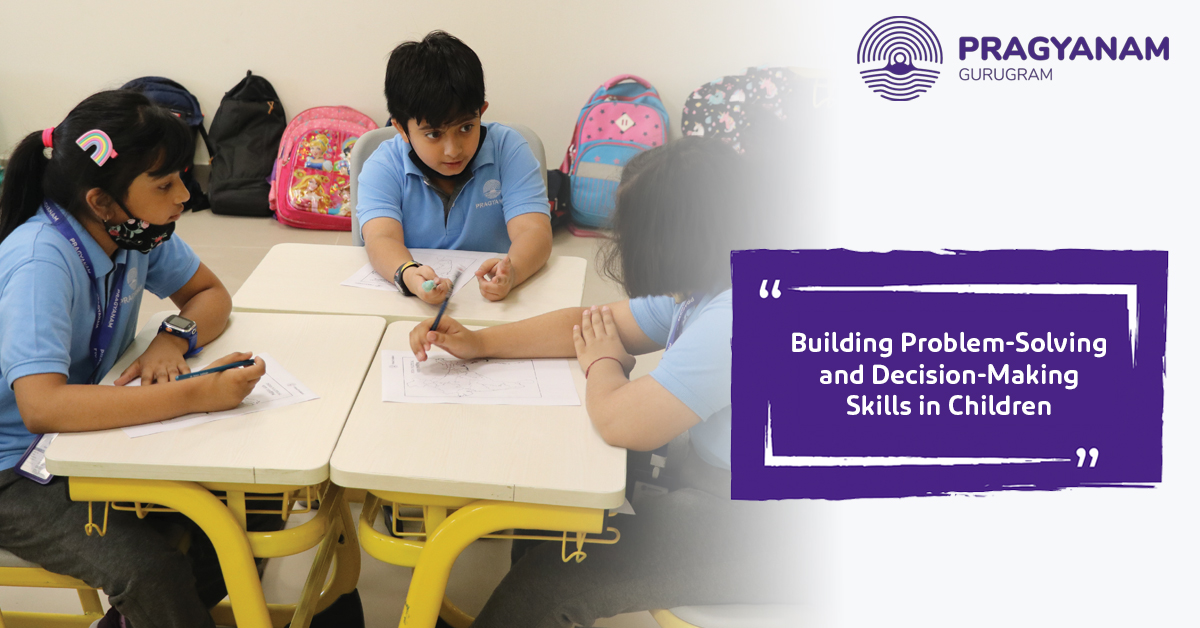
Life is full of challenges, both big and small. From deciding what to wear in the morning to choosing the right way to handle a disagreement with friends, children face decisions every day. The ability to solve problems and make sound decisions helps them grow into independent, confident, and responsible individuals. Teaching these skills early not only prepares children for academics but also for real-life situations where thinking critically and acting wisely matter the most.
Table of Contents
1. Why Problem-Solving and Decision-Making Matter
Problem-solving and decision-making are essential life skills that form the foundation of independent thinking.
When children learn how to identify a problem, evaluate options, and make thoughtful choices, they develop:
- Confidence: They believe in their ability to handle challenges.
- Responsibility: They understand that their choices have consequences.
- Resilience: They learn to try again when things don’t go as planned.
- Creativity: They think beyond fixed answers and come up with new solutions.
These abilities help children adapt to change and approach challenges with a positive mindset.
2. How Children Learn to Solve Problems
Problem-solving begins with curiosity. When children ask questions like “Why did this happen?” or “What can I do differently?”, they are already learning to think critically.
Parents and teachers play an important role by:
- Allowing children to face small challenges instead of solving them immediately.
- Encouraging brainstorming instead of giving ready answers.
- Asking open-ended questions such as “What do you think we should do next?”
These small steps teach children to analyse situations and find their own solutions, building both independence and confidence.
3. Stages of Effective Problem-Solving
To make the learning process easier, here a simple four-step approach children can follow:
- Identify the Problem – Understand what the issue really is.
- Think of Possible Solutions – Come up with multiple ideas without judging them immediately.
- Evaluate and Choose the Best Option – Discuss the pros and cons of each idea.
- Try and Reflect – Implement the chosen solution and see what worked or didn’t.
This process teaches patience and logical thinking, helping children realise that every problem has more than one solution.
4. Teaching Decision-Making Through Everyday Situations
Children learn decision-making best through real-life experiences. Everyday moments like choosing an outfit, selecting a game to play, or planning how to complete homework are opportunities to build this skill.
When adults guide rather than dictate, children begin to take ownership of their actions. For example:
- Instead of saying “Wear this shirt,” try “Which of these two shirts do you prefer?”
- Instead of “Finish your homework first,” say “What’s your plan to complete your work before playtime?”
These conversations teach children to think about choices, understand priorities, and manage time effectively.
5. Activities That Build Problem-Solving Skills
Fun and interactive activities can help develop these abilities naturally:
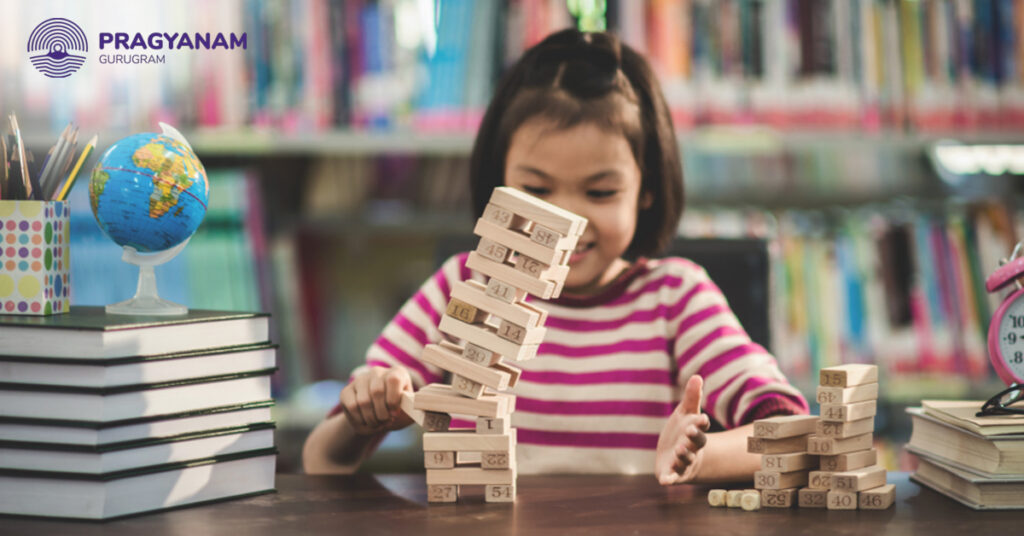
- Puzzles and Brain Games: Encourage logical thinking and perseverance.
- Group Projects: Teach collaboration, listening, and compromise.
- Storytelling and Role Play: Allow children to explore different outcomes and perspectives.
- Outdoor Play: Builds adaptability and quick decision-making during teamwork and challenges.
Through such activities, children learn that challenges are opportunities to think creatively and grow stronger.
6. The Role of Parents and Educators
Children thrive when adults create an environment that supports curiosity and exploration. Teachers can introduce real-world problems in class discussions, while parents can encourage reflection at home. At Pragyanam School, educators focus on nurturing both critical thinking and emotional balance. Students are encouraged to explore ideas, test solutions, and reflect on outcomes making them thoughtful learners and decision-makers for life.
7. Encouraging Reflection After Decisions
Once children make a decision, it’s important to help them reflect. Ask questions like:
- How did that work out?
- Would you do something differently next time?
- What did you learn from this?
Reflection turns experience into wisdom. It teaches children that mistakes are part of growth and helps them approach future challenges with better understanding.
8. Building Lifelong Thinkers
Problem-solving and decision-making are not just school skills, they are life skills. When children learn to think independently, weigh options, and take responsibility for their actions, they become capable and confident adults.
At Pragyanam School, our goal is to help every child build these essential abilities in a nurturing, hands-on environment, where curiosity leads to understanding and learning leads to wisdom.
Final Thought
Children don’t need perfect answers they need the confidence to find their own. When guided with patience, encouragement, and trust, they develop the ability to make wise choices, overcome obstacles, and succeed not just in academics but in every aspect of life.