


In today’s era, where breaking away from screens proves challenging for children and adults, finding engaging activities for your brain is crucial. That’s why we’ve curated this entertaining list of questions for you to explore with your child. Whether you label them as trick questions or brain-teasers, they are designed to stimulate creative thinking. The shared laughter as you navigate these questions will significantly strengthen your bond. So, let’s dive in—brace yourself for smiles and the joy of anticipating your child’s reactions.
Have you ever assessed your weight on a scale and wished it were a few kilograms lighter or heavier? Perhaps, you’ve experienced the delightful surprise of a friend presenting you with a delectable pound cake on your birthday. If you’ve pondered the rationale behind the utilization of different units of measurement, specifically the distinction between pounds and kilograms, and if you’re curious about how to convert one to the other, then continue reading.
A number System is a method of representing Numbers on the Number Line with the help of a set of Symbols and consistent rules. These symbols range from 0-9 and are termed as digits. Number System comes in handy to perform mathematical computations. That said, Number Systems can be of different types. They include:
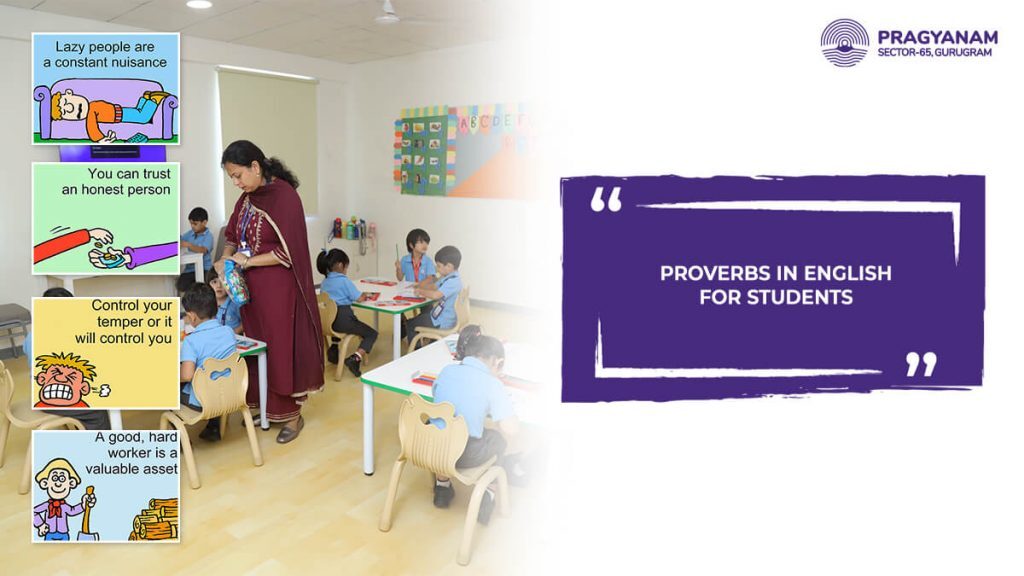
A stitch in time, saves nine. Have you ever heard this advice in the context of asking you to act in time to avoid issues later? Or have you ever been told not to judge a book by its cover, warning you that appearances may be deceptive? These pieces of advice came to you by way of commonly used English proverbs.

Hey there, financial trailblazers! Welcome to the captivating world where money matters, and your little ones are about to embark on an epic adventure. Buckle up as we explore the secrets of budgeting, saving, and setting sail towards a financially savvy future for your children!
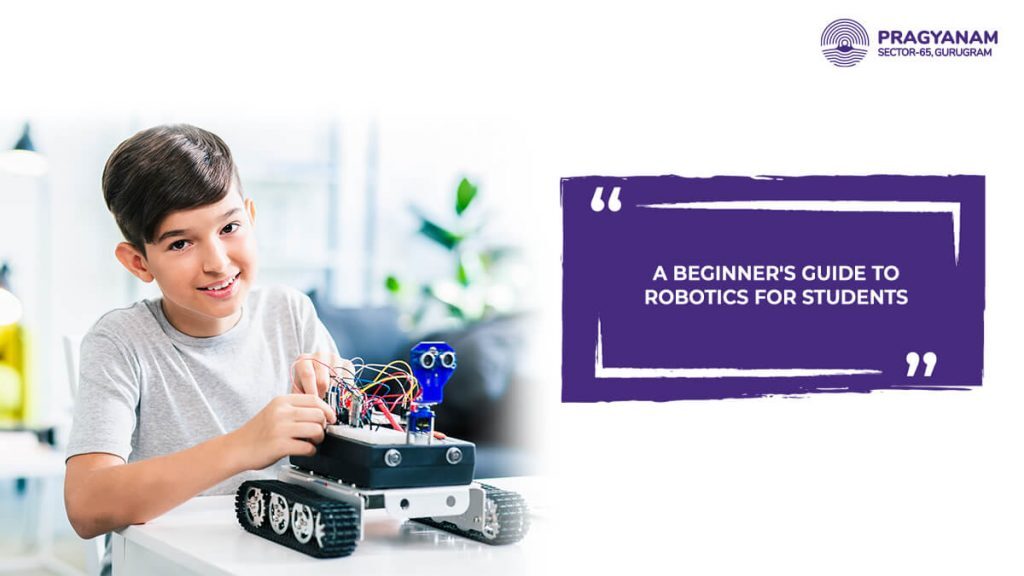
Welcome to the fascinating world of robotics! In today’s technologically advanced era, it has become an integral part of our lives. From autonomous cars to robotic surgery, the applications of robotics are endless. However, it’s not just limited to complex industries or research labs; robotics can also be a fun and educational tool for school students. In this blog post, we will explore the exciting world of it and how it can benefit school students. We will dive into the basics of Automation, its relevance in today’s world, and the numerous skills it can help develop in students.
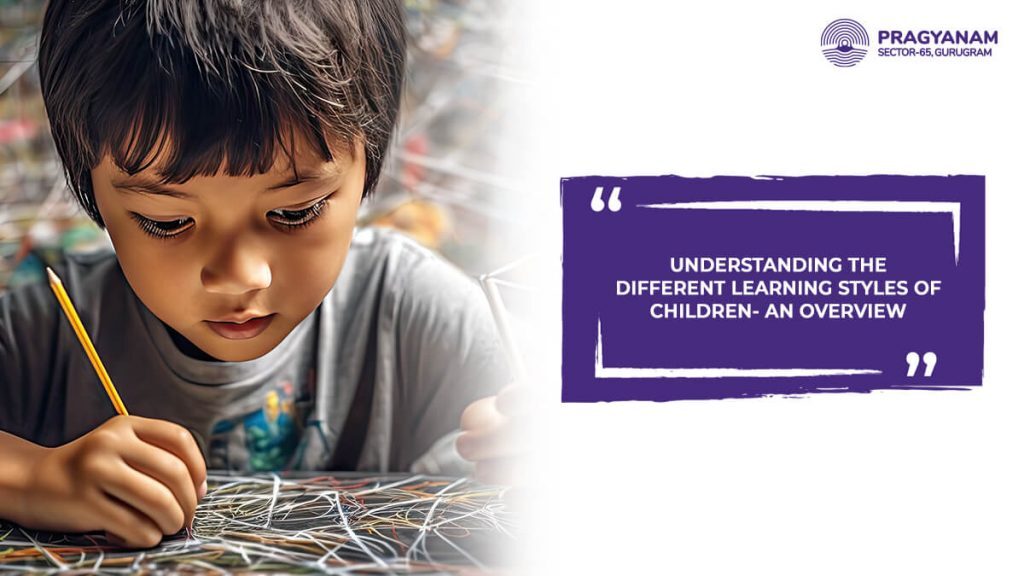
While the traditional education system has primarily followed a one-size-fits-all approach, the fact remains that there are different learning styles for children. The concept of different learning styles began to gain precedence as early as the mid-1970s. Many scholars, however, point out that the theory of different learning styles has been around since Carl Jung explored personality types in 1923 and detailed them as follows: